
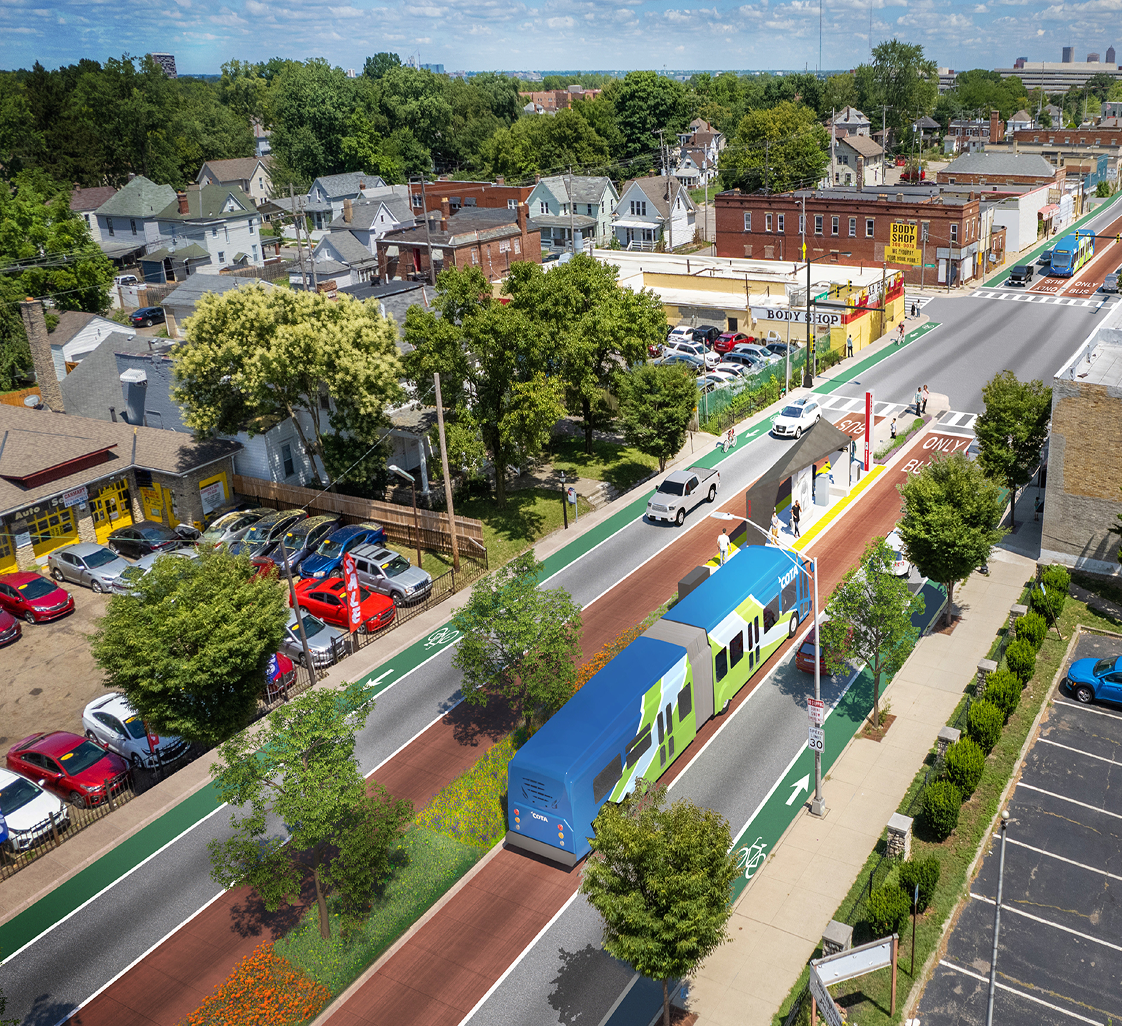
LinkUS West Broad Corridor Transit-Oriented Development Plan

The West Broad Corridor Transit-Oriented Development (TOD) Plan is focused on encouraging transit-supportive, community-centered growth around each planned BRT station along the 9.3-mile West Broad Street BRT Corridor. This effort will establish a clear, community-informed vision and a roadmap for future action.

The West Broad Corridor TOD Plan will be an actionable, implementation-focused plan to advance goals already identified in the LinkUS Community Action Plan (2022). The primary goal is to develop welcoming and accessible station areas that provide a wide variety of affordable and attainable housing, support existing businesses, attract new investment and job creation, and enhance, preserve and protect each neighborhood’s rich, diverse community heritage and local character.


Learn More About the West Broad Corridor

What is Transit-Oriented Development?

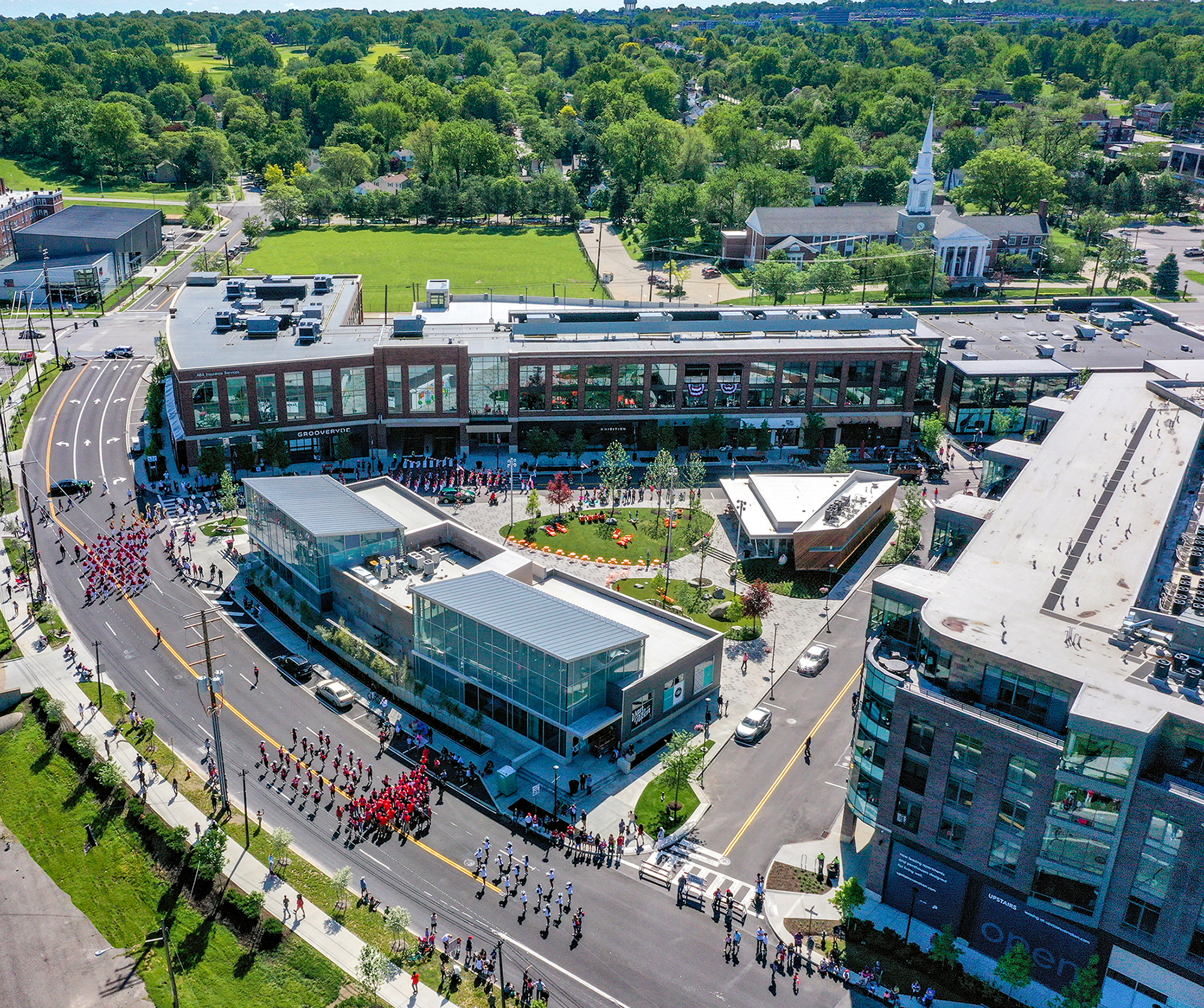
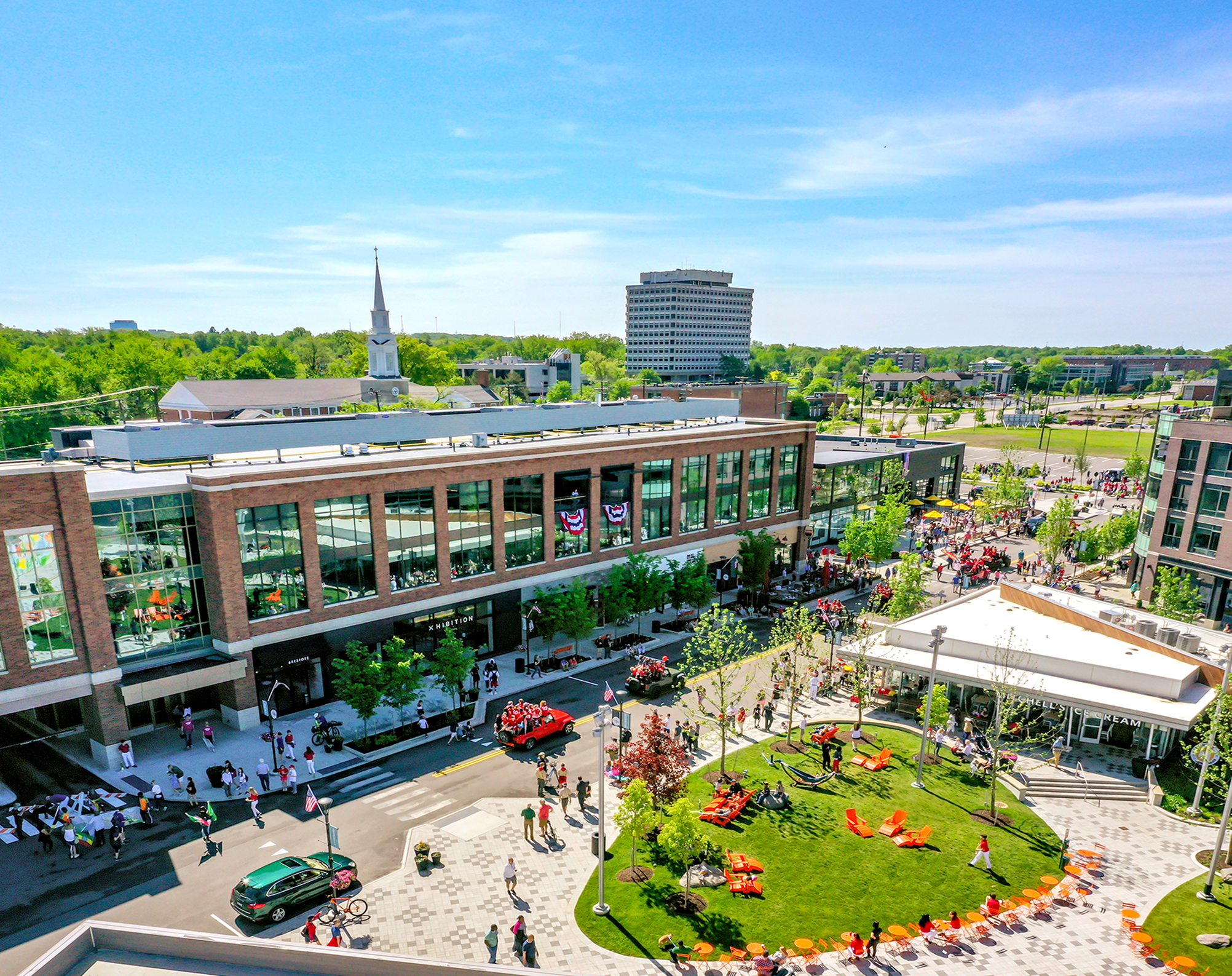
Transit-Oriented Development (TOD) is typically defined as dense, walkable and bikeable mixed-use development within a five to 10-minute walk of a transit stop that supports vibrant, well-connected communities that are less dependent on cars to access jobs, retail, restaurants, educational opportunities and open spaces.

The Purpose

LinkUS is focused on helping to address three of our community’s biggest challenges: growth, housing and opportunity gaps. To address these challenges, LinkUS provides more COTA service, more sidewalks and more opportunity through transit-oriented development (TOD). As LinkUS invests in how we get around, it is important to think about where we are going, and how our neighborhoods can best benefit from this investment.

We Want Your Input

We want to hear about what you love about your neighborhood along the West Broad Corridor. Tell us what’s missing in terms of services and amenities and what you want your community to look like in the future to provide the framework for this plan.

Take Our Survey
Two men and a women sit at a table looking at a speaker who is not shown, an open laptop and LinkUS printouts sit on the table.

Upcoming Events

This new Bus Rapid Transit corridor is taking shape, and we want your input along the way. Join us at upcoming events to learn more, ask questions and share feedback as plans move forward. Upcoming events include station area meetings, focused on specific neighborhoods near transit stations and community-wide meetings, open to all residents to discuss citywide transit plans.

View Events

Why Plan for TOD?

Many station areas along the West Broad Corridor are already seeing new development. A TOD plan will help guide growth to better reflect community priorities and a shared vision that considers transit and neighborhood goals.

Having an intentional strategy for TOD along the West Broad Corridor will allow the City of Columbus and partner localities to encourage development that supports neighborhood needs for uses like affordable and attainable housing, amenities, services, open space and small businesses. TOD has been shown to support job growth and increase opportunities for businesses located in the station area in cities across the U.S.

Did You Know?

Businesses located closer to BRT stations experience significantly higher sales compared to those farther away, with the proximity effect being particularly strong for businesses within a half-mile and one mile of a BRT station.

Did You Know?

Businesses located closer to BRT stations experience significantly higher sales compared to those farther away, with the proximity effect being particularly strong for businesses within a half-mile and one mile of a BRT station.

Rendering of the future West Broad Corridor with individuals standing at the bus stop. Among the group, one person has a guide dog, one is using a wheelchair and one person is on a bike.

Did You Know?

Cleveland’s HealthLine BRT has helped drive more than $9.5 billion in development along the Euclid Avenue corridor since opening in 2008. This demonstrates how high-quality transit investment can attract private investment and catalyze significant growth in surrounding neighborhoods.

Did You Know?

Cleveland’s HealthLine BRT has helped drive more than $9.5 billion in development along the Euclid Avenue corridor since opening in 2008. This demonstrates how high-quality transit investment can attract private investment and catalyze significant growth in surrounding neighborhoods.

Transit-oriented development has been successful in peer cities like Minneapolis, which has seen considerable growth in development potential around BRT lines. A 2024 report by the Metropolitan Council indicated that investments in rapid transit, including BRT, has led to:

  • Higher investment: $9 billion of development investment within a half mile of a BRT station
  • More housing choices: 44% of regional multifamily development was permitted along a high-frequency transit corridor
  • Higher development value: Nearly half of all recent permitted development value is located near high-frequency transit corridors (including BRT and light rail), on less than 5% of the region’s land area.
Green shoe icon
City icon with two white buildings, one blue and one green.
Briefcase icon
Icon for two plot points on a map with a line drawn between them.

Community Benefits

Walkability

Promotes health and wellbeing of residents, workers and visitors.

Housing Options

Expands housing options by adding diverse, transit-connected affordable homes in existing neighborhoods, supporting mixed-income communities.

Improved Access

Supports reliable commutes
to jobs & educational opportunities, as well as amenities and services.

Convenience

TOD environments welcome a mix of uses and amenities in one small geographic area, without the need to drive and park.

Property Owner & Investor Benefits

Synergies

TOD prioritizes a mix of uses in a single location, creating economies of scale for construction costs and management.

Unlocking New Uses

Utilizes new zoning flexibility to allow more diverse land uses that create vibrant, transit‑connected neighborhoods.

Better Access to Workforce

Provides access to a skilled workforce with reliable transportation for businesses along the corridor.

Increased Desirability

TOD creates a “sense of place” and has been shown to encourage consumer spending/customer traffic at businesses close to the station area compared to less convenient, walkable options.

Rendering of a Bus Rapid Transit stop with people waiting for the bus.
  • Engage and empower communities to shape the plan’s direction and priorities
  • Support neighborhood growth by identifying policies and strategies that support inclusive development and minimize displacement in each station area
  • Promote walkable, bike-able, accessible and transit-connected communities through station-area planning that prioritizes alternative modes of transportation
  • Assess housing needs and opportunities to preserve existing naturally affordable housing and guide future investments in workforce and affordable and attainable housing
  • Identify tools for community wealth building, including redevelopment opportunities and value capture strategies that can benefit neighborhood residents and businesses
  • Align with regional and federal frameworks such as LinkUS, Insight2050 and federal grant criteria to position the corridor for future funding and implementation
  • Develop corridor-wide goals for jobs, housing, redevelopment, improving opportunity and others that can be tracked throughout the corridor
  • Deliver practical planning tools, including station area frameworks, policy recommendations and an interactive map that shows property details, neighborhood data and zoning information, all intended to guide the next steps after planning

CbusSmallBizHub.com
A resource for all things small business. From loans, to grants, to networking, CbusSmallBizHub.com provides access to over 200 great organizations that specialize in the greater Columbus area.
CbusSmallBizHub.com

Power of One Grant
Facade improvement grants for small businesses within the City of Columbus. Twelve are offered yearly with up to $10,000 in support for enhancement. This program is run by Neighborhood Design Center.
Power1cbus.org | 614-221-5001

Accelerate Columbus
A City of Columbus funded program offering small business trainings to enhance or grow their small business operations. This includes SEO enhancement, business planning and specialized industry specific training.
Follow OfficialColumbusSmallBusiness on Instagram for updates.

Cultivate US
A program from the Columbus Chamber to enhance small businesses with foreign born business owners / operators.
columbus.org/programs/cultivate-us

Zora’s House
A women+ of color resource center providing mentorship and funding for small businesses.
zorashouse.com | 614-594-1862

Experience Columbus
The Small Business Program supports minority owned businesses in the community through a free listing in the Experience Columbus directory, access to free events and opportunities to be featured on the Experience Columbus social media channels.
experiencecolumbus.com/sbp

Small Business Development Center
Business plan development, market research and outreach strategies, SBDC helps with it all. Connect with one of their trusted advisors to plan the future of your business.
sbdccolumbus.com | 614-287-5294

Columbus Metropolitan Library Business and Non-Profit Center
Assistance planning the future of your business including access to software like Adobe Creative Suite, LivePlan and SimplyAnalytics. Monthly events including attorney assistance, management, and advice from 3rd parties are also available, all at no cost.
columbuslibrary.org/business-nonprofit-center

Support by location (East to West):

Ground Floor Growth (Downtown Columbus Inc.)
A program supporting small businesses with rent support for the first 3 years of operation and technical assistance for eligible businesses.
downtowncolumbus.com/projects-initiatives/ground-floor-growth-project
Applications are currently closed, please sign up for email alerts on the website.

Franklinton Board of Trade
Business assistance and networking for small businesses and routine beatification services in Franklinton.
franklintonbot.org

Hilltop Rise
An Economic Community Development Corporation that connects Hilltop businesses, property owners, and the community to valuable resources, opportunities, and education.
hilltoprise.org

Westland Area Business Association
A non-profit organization dedicated to building strong relationships between businesses and the community through events and
volunteer opportunities.
westlandarea.com

Prairie Township CIC Small Business Loan
Only for businesses within Prairie Township.
prairietownship.org/forms.aspx?fid=74

Have questions about this project?

Reach out to Elliott Lewis at info@linkuscolumbus.com
or visit our contact page to connect with the right person.


Connect With Us on Social Media