
2021
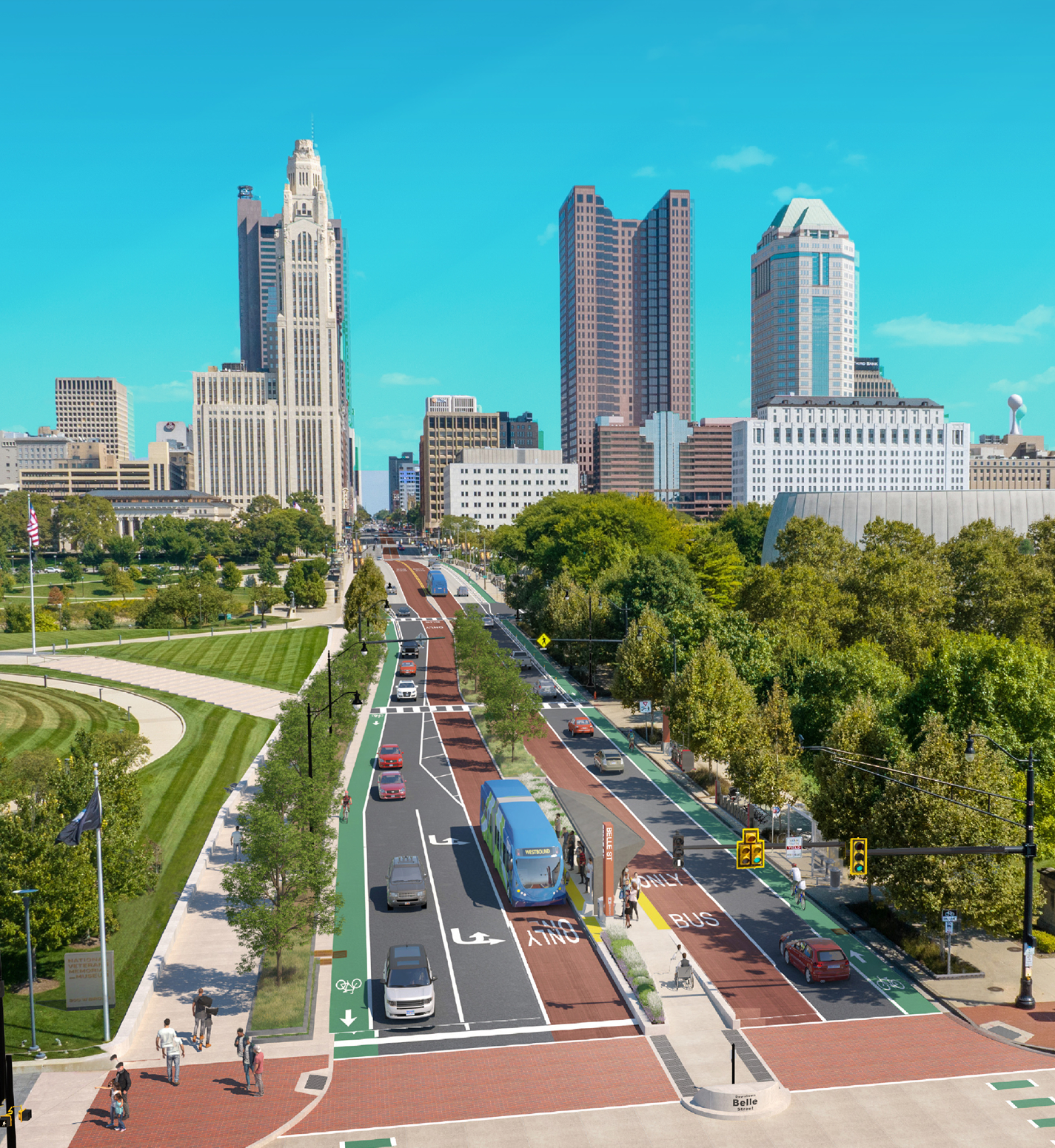
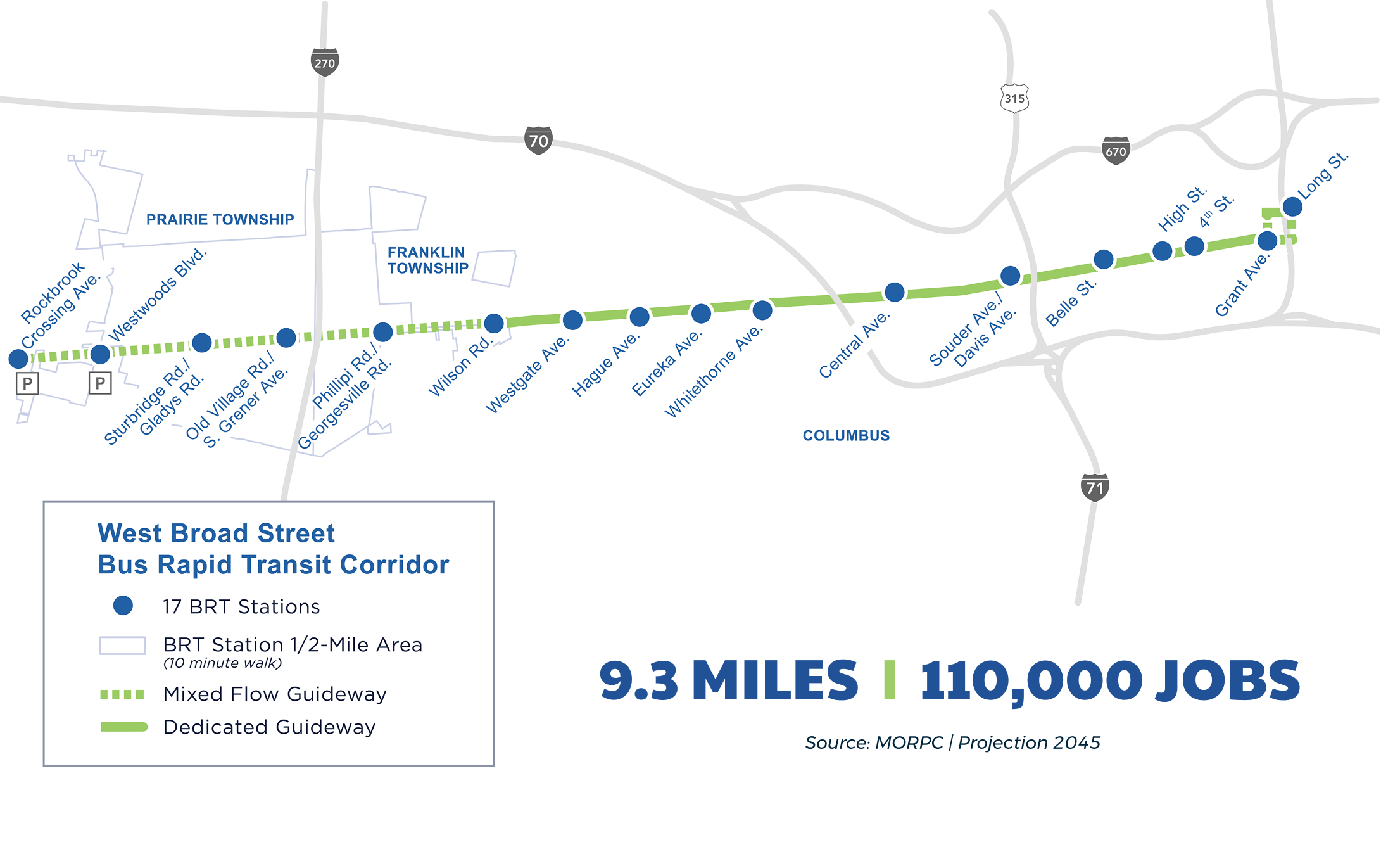
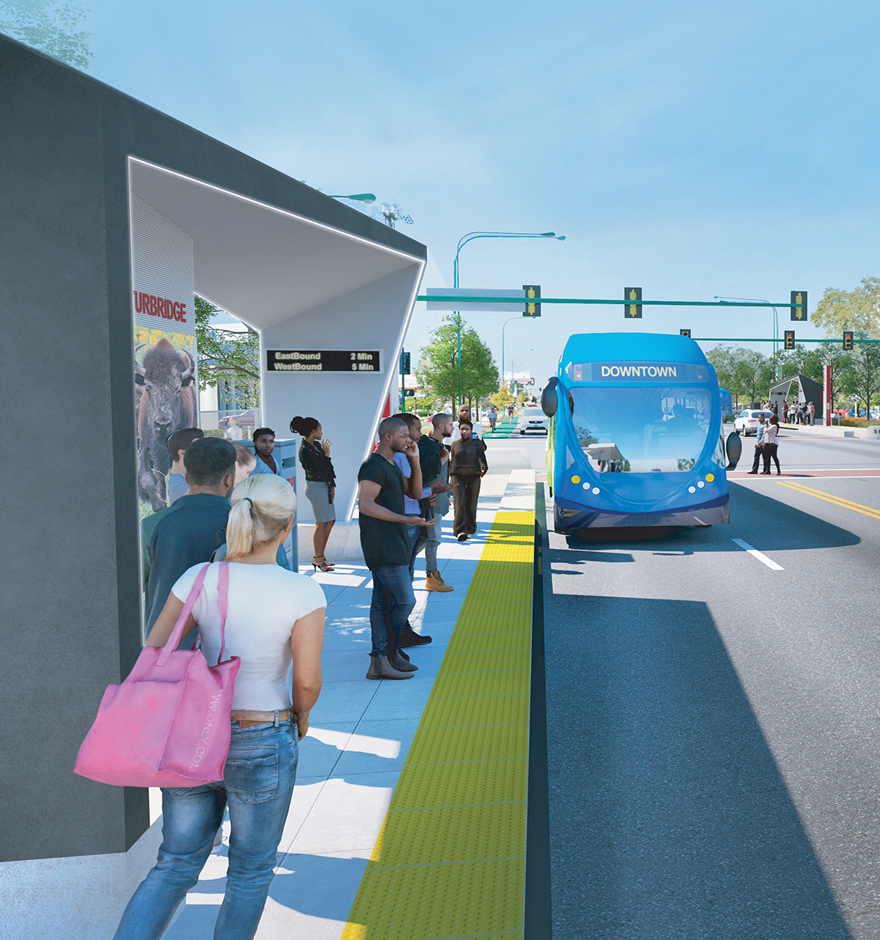
In July 2021, the COTA Board of Trustees adopted three Locally Preferred Alternatives (LPAs), voting to move the East Main Street and West Broad Street BRT corridors into the Federal Transit Administration Capital Investment Grants program process.
The LinkUS public engagement process supported the technical analysis through stakeholder and public outreach to gather community feedback and insight. These community insights helped develop a 30% design for the East Main Street and West Broad Street BRT corridors.
2022
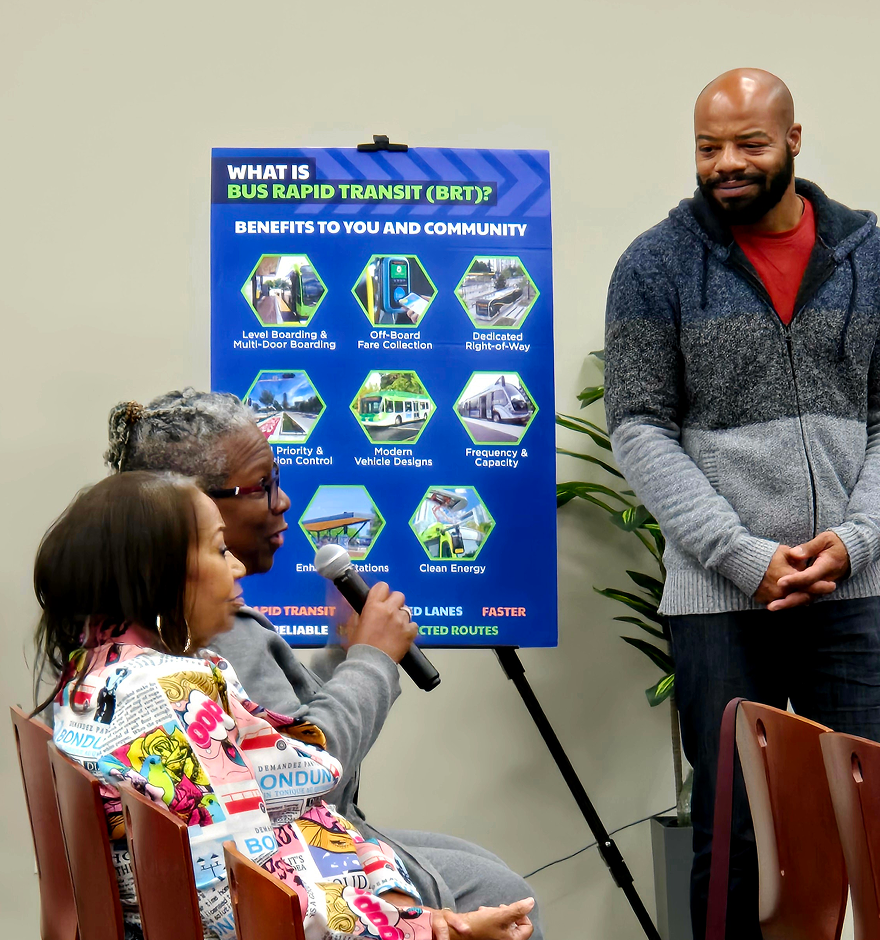
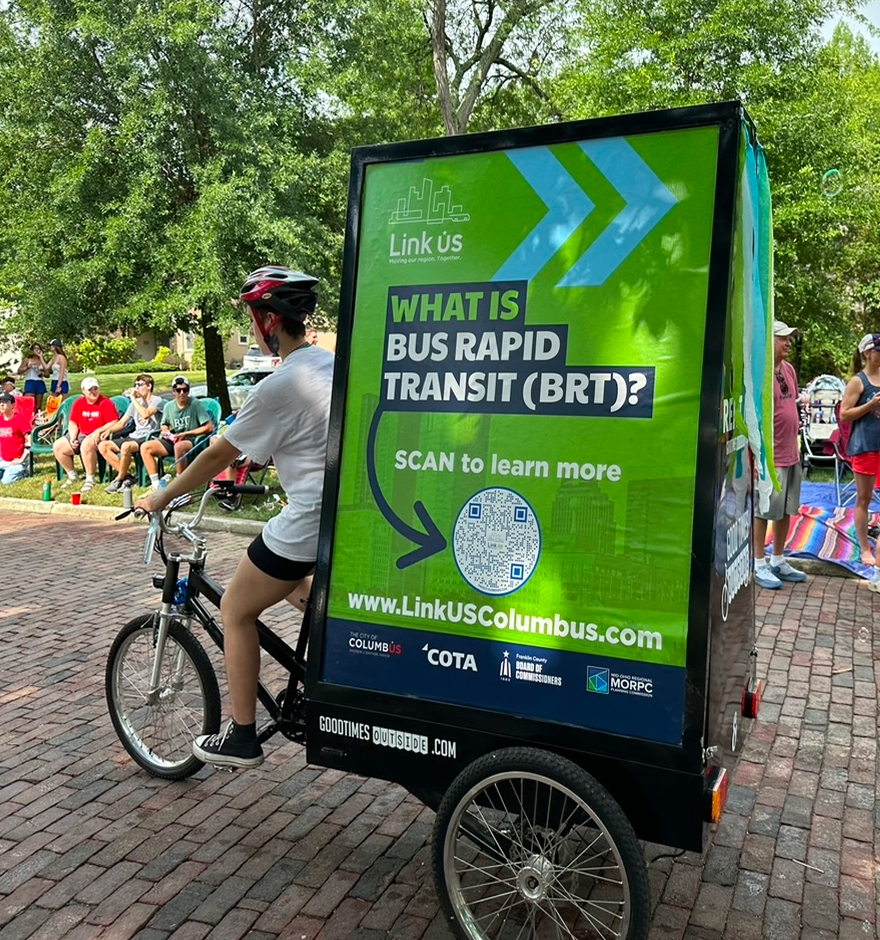
The project team engaged with residents to learn what mobility and transit enhancements could look like in Central Ohio neighborhoods. From virtual meetings to community festivals and a bike-along event, LinkUS reached more than 10,000 residents and businesses about the West Broad Street and East Main Street BRT corridors.
The West Broad Street BRT 30% design was completed in December 2022.
2023
In pursuit of federal funding, COTA submitted the West Broad Street BRT to the Federal Transit Administration (FTA) in August 2023 for evaluation and rating. As part of the Capital Investment Grant (CIG) program, the FTA evaluates and rates projects by examining measures such as land use, mobility improvements, cost-effectiveness, environmental benefits and congestion relief. This allows the FTA to compare BRT projects nationwide and allocate federal dollars to large transit projects.
The 60% design continued to advance in tandem with the preparation of National Environmental Policy Act (NEPA) documentation, which began in the fall of 2023.
The project team continued to meet with stakeholders at local tabling events and community meetings across the corridor.
2024
The project team completed the 60% design and began the 90% design while continuing environmental studies for NEPA.
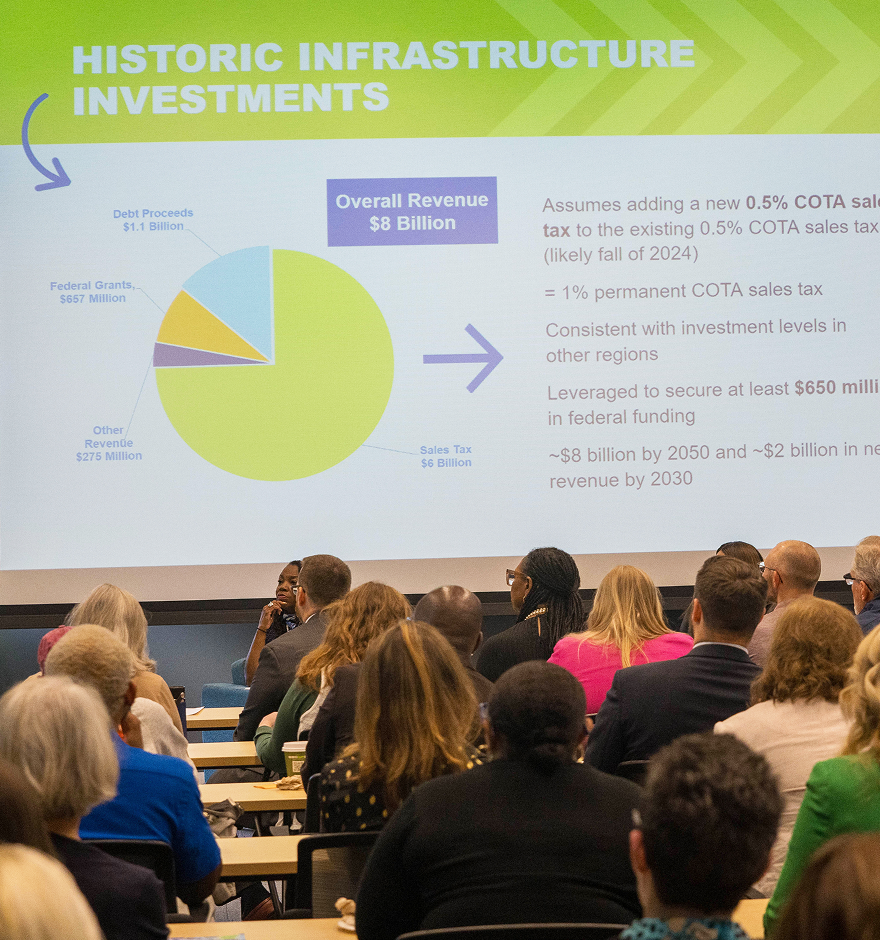
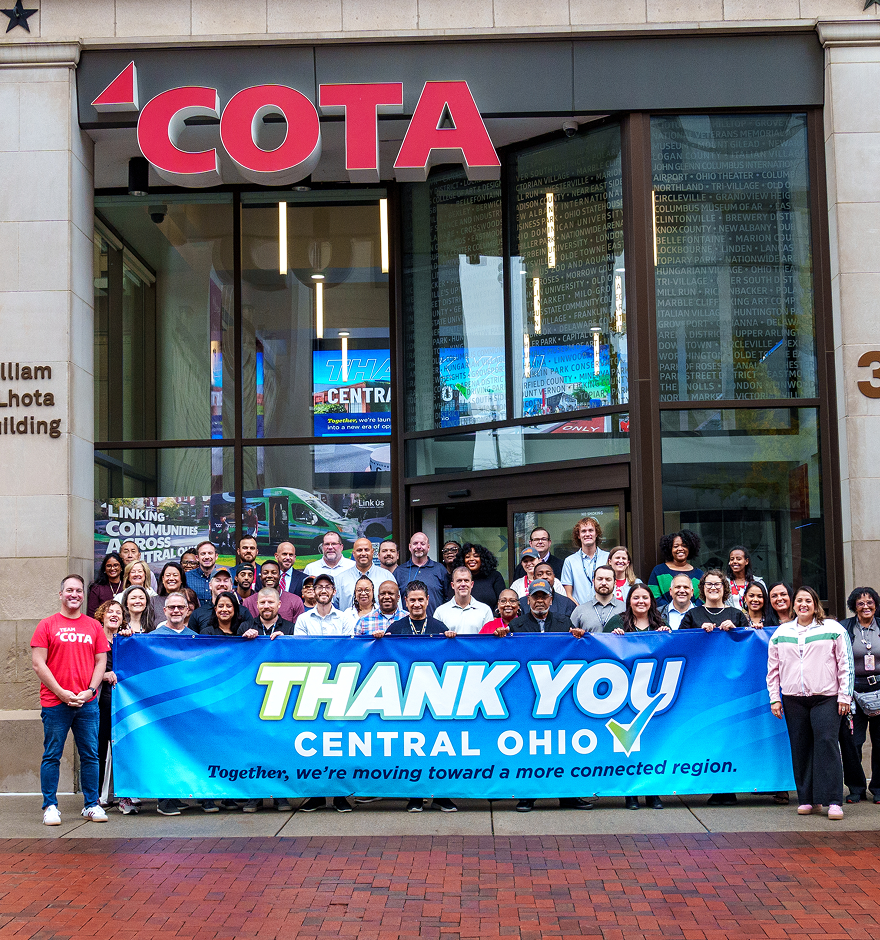
The November referendum to fund the LinkUS initiative passed with approval from 57% of voters in the COTA service area.
Public engagement activities continued through 2024, with the outreach team attending 35 community events and speaking to nearly 3,700 people. Door-to-door canvassing along the corridor reached over 90% of all businesses, with the team conducting surveys and collecting contact information for future updates. The team also surveyed transit riders on COTA Line 10, reaching over 500 riders, 70% of whom use COTA service daily.
2025
COTA completed the 90% design phase in summer 2025 with work on the final design continuing through the remainder of the year. COTA also completed the project’s NEPA documentation and submitted it to the Federal Transit Administration. It received full approval in October, clearing the project for federal funding.
COTA approached the year with the goal of maintaining project awareness and knowledge between the highly visible milestones of the referendum and the beginning of construction. Across 44 events along the corridor with 11,000 attendees, the engagement team welcomed more than 4,600 people to its booths and tables. 2025 also saw the launch of the Business Hub program, partnering with corridor businesses to host pop-up events through the end of project construction.
2026 and Beyond
As the design process continues into 2026, COTA and the public are looking ahead to the next phase: construction. Milestones expected this year include the completion and release of the final design, preconstruction and utility work, the groundbreaking ceremony at the future Rockbrook Crossing Park and Ride and Transit Center and the start of construction activity.
To support this transition, COTA will deploy strategies to prepare stakeholders, corridor businesses and institutions and the public for preconstruction and construction. These efforts will include creating and distributing a business toolkit, establishing project-specific email and phone hotlines, building a contact list for instant, targeted notifications and preparing informative resources on construction activity and impacts.